Innovative Rubber Solutions Transforming the Pulp and Paper Industry
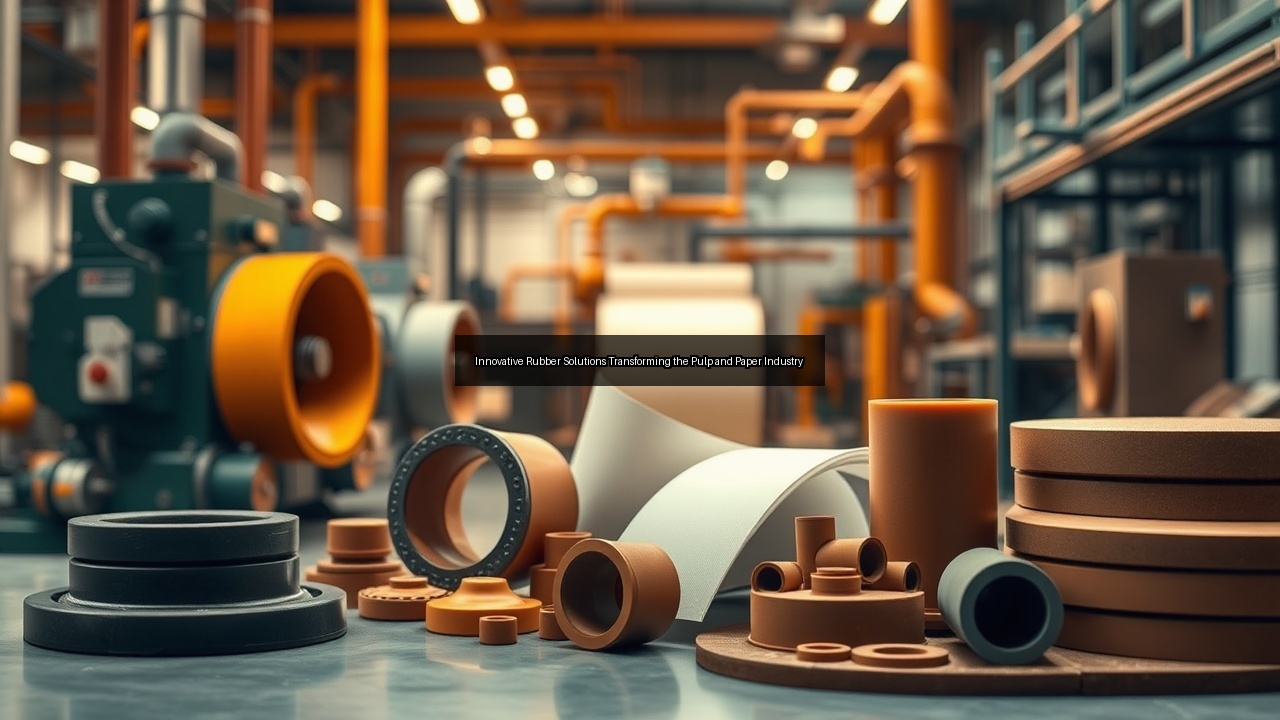
The Role of Rubber Products in the Pulp and Paper Industry
Understanding Rubber Types: Natural Rubber vs. Synthetic Options
Rubber products for the pulp and paper industry primarily consist of two types: natural rubber and synthetic rubber. Natural rubber, derived from the sap of rubber trees, offers exceptional elasticity and resilience. This makes it highly suitable for various applications within the industry. However, natural rubber has limitations regarding temperature resistance and chemical exposure, which can be critical in pulp processing environments. On the other hand, synthetic options, particularly ethylene propylene diene monomer rubber (EPDM), provide enhanced durability. EPDM withstands extreme temperatures and has excellent resistance to oxidation and ozone, making it a popular choice for gaskets and seals in paper manufacturing processes.
The choice between natural and synthetic rubber often depends on specific application requirements. Industries seeking high-performance materials frequently opt for synthetic alternatives due to their superior chemical resistance. Each type of rubber offers distinct advantages that cater to the varying needs of the pulp and paper sector. Understanding these differences helps manufacturers select the right rubber products to improve operational efficiency while ensuring product quality.
Key Applications of Rubber in Pulp and Paper Production
Rubber products play a vital role in several stages of pulp and paper production. One of the most significant applications involves the use of gaskets and seals in machinery. These components ensure airtight and watertight connections, preventing leaks and maintaining the efficiency of vacuum systems. In high-pressure environments, the integrity of these seals is crucial for optimal performance and product quality.
Additionally, rubber stoppers find extensive use in various equipment, including storage tanks and processing vessels. They effectively seal openings to prevent contamination and maintain chemical balance during production. The flexibility and durability of rubber stoppers make them ideal for handling the abrasive materials and chemicals common in pulp processing.
Furthermore, rubber linings in chutes, hoppers, and conveyors reduce wear and tear while facilitating the smooth movement of raw materials. This application significantly extends the lifespan of equipment and minimizes maintenance costs. By integrating rubber products throughout the production line, manufacturers can enhance efficiency, reduce downtime, and improve overall operational effectiveness.
Benefits of Using Rubber Products for Paper Processing
Using rubber products in the paper processing industry offers numerous benefits. One of the primary advantages is their ability to enhance process efficiency. Rubber gaskets and seals maintain system integrity, preventing leaks that can disrupt operations. This reliability translates into reduced downtime and increased throughput, essential factors in a competitive market.
Moreover, rubber products provide excellent vibration dampening and noise reduction qualities. This characteristic is particularly important in paper mills, where heavy machinery generates significant noise and vibrations. By incorporating rubber into machinery design, manufacturers can create quieter, more comfortable working environments for employees.
Additionally, rubber's resistance to chemicals and moisture makes it an ideal choice for various applications in pulp and paper production. It minimizes the risk of degradation, ensuring long-lasting performance even in harsh conditions. The use of rubber products ultimately leads to cost savings, improved safety, and a more efficient manufacturing process, solidifying their importance in the pulp and paper industry.
Innovations in Rubber Solutions for Pulp and Paper
Advanced Gasket Technologies for Enhanced Efficiency
Innovations in gasket technologies have significantly transformed the pulp and paper industry. Advanced rubber formulations allow for the development of gaskets that resist extreme temperatures, chemicals, and environmental factors. These high-performance gaskets ensure better sealing capabilities, reducing the risk of leaks and improving overall system efficiency.
Recent advancements include the incorporation of specialized fillers and compounds into rubber gaskets. These enhancements improve tear resistance and elongation properties, making gaskets more robust and reliable. Companies can now achieve tighter seals, which helps maintain vacuum levels critical for various processes in paper manufacturing.
Additionally, the development of custom gasket solutions tailored to specific machinery requirements has become increasingly common. This trend allows for optimized performance, as gaskets can be designed to fit unique dimensions and withstand particular operational challenges. The result is a more efficient production process, fewer maintenance issues, and overall cost savings. Advanced gasket technologies represent a vital step toward increasing productivity and reliability in the pulp and paper industry.
The Impact of EPDM in Paper Manufacturing Processes
Ethylene propylene diene monomer rubber (EPDM) has rapidly gained traction within the pulp and paper sector due to its exceptional properties. EPDM's ability to withstand high rubber products for pulp industry temperatures and resist degradation from chemicals makes it an ideal choice for various applications. In particular, EPDM gaskets and seals effectively maintain vacuum systems, ensuring that equipment operates efficiently without leaks.
The resilience of EPDM allows for extended service life, reducing the frequency of replacements and maintenance. Manufacturers often experience lower operational costs as a result of fewer equipment failures and less downtime. Furthermore, EPDM's flexibility enables it to adapt to various machinery configurations, ensuring a perfect fit for diverse applications within the industry.
In addition to gaskets and seals, EPDM finds use in conveyor belts and other moving parts where durability and flexibility are crucial. Its resistance to weathering and ozone damage enhances performance, particularly in outdoor settings where equipment may be exposed to the elements. The impact of EPDM on paper manufacturing processes underscores the importance of selecting the right rubber products for increased efficiency and longevity.
Utilizing Stoppers and Seals for Improved Vacuum Systems
Stoppers and seals play a crucial role in maintaining vacuum systems within the pulp and paper industry. These rubber products prevent air and moisture ingress, ensuring optimal conditions for processing materials. Properly functioning stoppers contribute to efficient vacuum operation, which is critical in various stages of paper manufacturing.
In vacuum filtration systems, for example, rubber seals ensure that the vacuum remains consistent, facilitating the efficient separation of water from pulp. Any leaks can lead to decreased efficiency and increased energy consumption, making high-quality rubber seals indispensable. Manufacturers must prioritize the selection of durable, high-performance rubber materials to ensure the longevity and reliability of seals and stoppers.
Furthermore, advancements in rubber technology have led to the development of specially designed stoppers that cater to the unique requirements of different equipment. These innovations enhance the effectiveness of vacuum systems, leading to improved processing times and reduced operational costs. The strategic use of rubber stoppers and seals in vacuum systems ultimately results in better product quality and a more efficient production process.
Sustainable Practices with Rubber in the Pulp and Paper Sector
The Importance of Eco-Friendly Rubber Products
Sustainability has emerged as a critical focus within the pulp and paper industry. The adoption of eco-friendly rubber products plays a significant role in reducing the environmental impact of production processes. Manufacturers increasingly prioritize sourcing natural rubber and recycled rubber materials to minimize their carbon footprint and promote responsible resource management.
Eco-friendly rubber products not only address environmental concerns but also enhance the overall image of companies committed to sustainability. Consumers are becoming more conscious of the environmental practices of the brands they support, and businesses that prioritize eco-friendly materials often enjoy a competitive advantage. By leveraging sustainable rubber solutions, companies can demonstrate their commitment to environmental stewardship while meeting the demand for high-quality products.
Recycling and Repurposing Rubber in the Industry
Recycling and repurposing rubber materials have gained traction in the pulp and paper industry as part of a broader commitment to sustainability. Many manufacturers are exploring innovative ways to recycle used rubber products, transforming waste into valuable resources. This approach not only reduces landfill waste but also creates a circular economy that benefits both the environment and the industry.
For instance, recycled rubber can be repurposed into various applications, including seals, gaskets, and rubber products for paper industry even flooring materials for industrial settings. By utilizing recycled rubber, companies can significantly reduce production costs while simultaneously minimizing environmental impact. Additionally, implementing recycling programs fosters a culture of sustainability within organizations, encouraging employees to engage in eco-friendly practices.
Future Trends: Biodegradable Rubber Solutions
The future of rubber products in the pulp and paper industry points toward biodegradable rubber solutions. Researchers are developing new materials that break down naturally over time, reducing environmental impact. These innovations align with the industry's growing emphasis on sustainability and responsible manufacturing practices.
Biodegradable rubber products offer the same functionality as traditional rubber without the long-lasting environmental consequences. As manufacturers adopt these materials, they can enhance their sustainability profiles while maintaining high performance in their operations. The shift toward biodegradable rubber solutions reflects a proactive approach to addressing environmental challenges and demonstrates the industry's commitment to a greener future.
See Also
- Streamlining Production with Advanced Rubber Technology in Paper Mills
- Choosing the Right Rubber Materials for Pulp and Paper Equipment
- The Role of Natural Rubber in Enhancing Paper Manufacturing Processes
- Natural Rubber vs Synthetic Options for Pulp and Paper Applications
- Innovative Uses of Rubber in Waste Management for Paper Mills