Maximizing Energy Savings with Vacon Variable Frequency Drives
Understanding Vacon Variable Frequency Drives
What Are Vacon Drives?
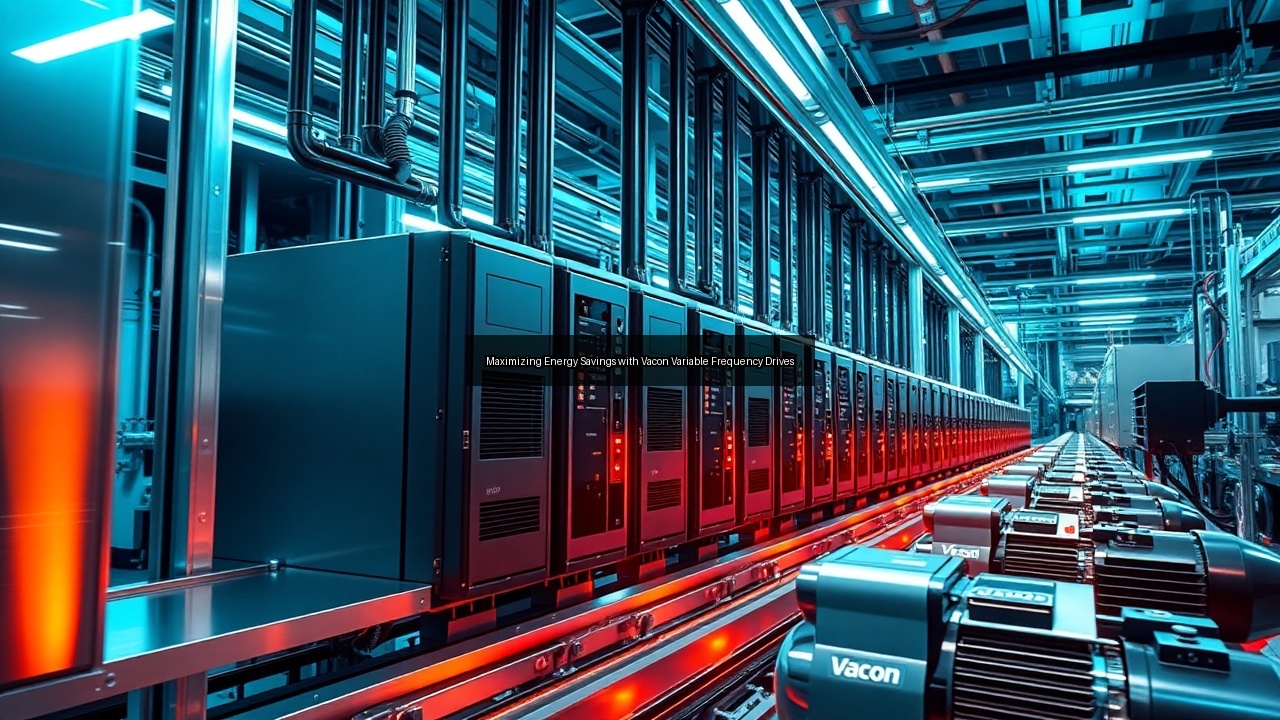
Vacon drives deliver precise motor control across industrial and commercial settings. These variable frequency drives adjust output frequency and voltage to match load demands. Vacon specializes in ac drives that support pumps, fans, and conveyors with reliable performance. Engineers select vacon ac drives because they integrate easily into existing systems without major rewiring. The brand focuses on robust hardware that withstands harsh environments. Users appreciate how vacon variable frequency drives reduce mechanical stress on connected equipment. Each unit arrives preconfigured for quick startup, yet allows full parameter tuning. Vacon maintains compatibility with multiple communication protocols, including Modbus and Profibus. Facilities choose these drives to replace older starters and gain modern efficiency features. Overall, vacon drives combine compact design with high power density for flexible installation.
How Vacon Drives Work
Vacon drives convert fixed-frequency power into variable output through a rectifier, dc link, and inverter stage. The rectifier changes incoming ac to dc, while the dc link smooths voltage ripples. The inverter then recreates ac at the exact frequency needed by the motor. This process lets operators slow or speed motors without mechanical throttling. Vacon ac drives monitor current and voltage in real time to protect against overloads. Internal algorithms optimize switching patterns to minimize heat losses. Technicians connect sensors directly to the drive for closed-loop speed regulation. The system responds instantly to changes in demand, such as reduced airflow in ventilation ducts. Vacon variable frequency drives also log operating data for later analysis. This method replaces across-the-line starting and eliminates high inrush currents that damage windings.
Key Features of Vacon AC Drives
Vacon ac drives include built-in EMC filters that reduce electrical noise on supply lines. Models offer multiple I/O options for sensors, actuators, and external controllers. The drives support sensorless vector control for accurate torque without extra encoders. Vacon variable frequency drives provide safe torque off functionality that meets modern safety standards. Users access parameters through a multilingual keypad or PC software. Advanced models embed harmonic mitigation to lower total harmonic distortion. Vacon drives handle both induction and permanent magnet motors with simple firmware swaps. Enclosures range from IP20 for cabinets to IP66 for washdown areas. The drives accept 208-690 V supply voltages and cover fractional horsepower up to several megawatts. Firmware updates occur via USB or fieldbus without downtime.
Benefits of Using Vacon Drives for Energy Savings
Energy Efficiency in HVAC Systems
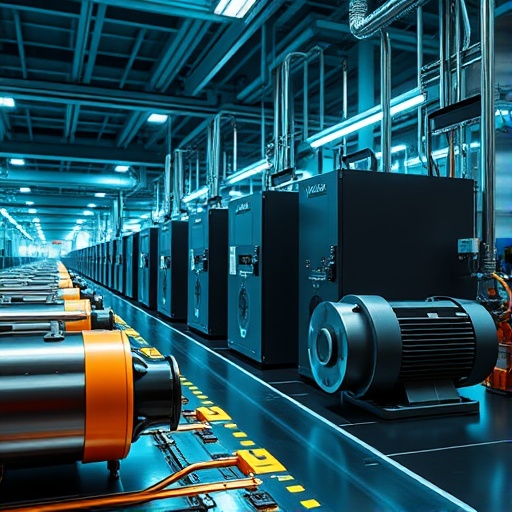
Vacon drives cut energy use in hvac systems by matching fan and pump speeds to actual heating or cooling loads. Fixed-speed motors run at full power even during partial demand, wasting electricity. A variable frequency drive lowers motor rpm during mild weather and reduces power consumption proportionally to the cube of speed. Vacon ac drives integrate with building automation systems for demand-based control. Operators monitor kWh savings through onboard energy counters. Reduced runtime at high speeds also lowers wear on belts and bearings. Vacon variable frequency drives maintain stable pressure and temperature without constant cycling. Facilities report 30-50 percent drops in hvac electricity after installation. The drives recover quickly from power interruptions and resume previous setpoints automatically. This efficiency gain directly lowers monthly utility bills while improving occupant comfort.
Impact on Electric Motors
Vacon drives extend motor life by eliminating across-the-line starts that create mechanical shock. Soft ramp-up and ramp-down profiles reduce stress on shafts and couplings. The drives supply clean sinusoidal current that lowers heating in windings compared with older six-step inverters. Electric motors paired with vacon ac drives run cooler and require less frequent bearing replacement. Vacon variable frequency drives include motor thermal protection that models winding temperature accurately. Operators adjust carrier frequency to balance noise and efficiency for specific motor types. The system detects load changes and prevents stall conditions that burn out rotors. Over time, motors driven by these drives maintain rated efficiency longer because insulation experiences less voltage stress. Maintenance teams replace fewer motors each year when vacon drives handle speed regulation.
Cost Savings Over Time
Initial investment in vacon drives pays back through lower electricity costs within one to three years. Reduced peak demand charges appear on utility invoices after variable speed operation begins. Vacon ac drives lower maintenance expenses by decreasing mechanical failures in pumps and fans. Spare parts inventory shrinks because fewer contactors and starters wear out. Facilities avoid production losses from unplanned downtime caused by motor trips. Vacon variable frequency drives qualify for utility rebates in many regions that promote energy efficiency. Long-term ownership costs drop further when drives log runtime data to predict service intervals. Energy managers document cumulative savings in annual sustainability reports. The financial benefit compounds as electricity rates rise and regulatory pressure increases. Companies that standardize on vacon drives across sites achieve additional procurement discounts.
Applications of Vacon Variable Frequency Drives
Industrial Automation and Control
Manufacturing lines rely on vacon drives for conveyor speed synchronization and precise positioning. Vacon ac drives communicate with PLCs to coordinate multiple motors on assembly lines. Packaging equipment uses the drives for rapid acceleration and deceleration without product damage. Vacon variable frequency drives handle high-inertia loads such as mixers and crushers with optimized torque curves. Production engineers tune acceleration ramps to match material flow rates. The drives support master-slave configurations that keep multiple motors locked in speed. Vacon ac drives also operate in explosive atmospheres when installed in appropriate enclosures. Data logging helps identify bottlenecks that limit throughput. Plants standardize on these drives to simplify spare parts management across different machine types. Integration with industrial IoT platforms allows remote monitoring of drive status.
HVAC Applications
Commercial buildings install vacon drives on chillers, air handlers, and cooling towers to match capacity with occupancy. Vacon variable frequency drives maintain duct static pressure while varying fan speed. Pump drives control chilled water flow to individual zones without throttling valves. Vacon ac drives reduce noise levels in occupied spaces by lowering fan rpm during off-peak hours. Building operators program night setback schedules directly into the drive parameters. The units handle both constant torque and variable torque loads found in hvac equipment. Vacon drives support economizer control that brings in outside air when conditions allow. Retrofit projects replace old starters with these drives to gain immediate energy reduction. Technicians commission drives quickly using preloaded hvac application macros. The result is stable room temperatures and lower operating costs year-round.
Water and Wastewater Treatment
Municipal plants use vacon drives to regulate influent pumps and aeration blowers according to flow measurements. Vacon ac drives prevent water hammer by ramping pump speed gradually during startup and shutdown. Variable frequency drives maintain dissolved oxygen levels in aeration basins without wasting energy on over-aeration. Vacon variable frequency drives withstand corrosive atmospheres when mounted in proper cabinets. Operators adjust chemical dosing pumps accurately with the drives' precise speed regulation. Backup power systems integrate easily because the drives accept wide voltage ranges. Vacon drives log pump run hours and energy use to support regulatory reporting. Plants reduce sludge handling costs when flow rates match actual treatment demand. Remote sites benefit from the drives' robust design and minimal maintenance requirements. Overall, these applications improve process stability while cutting electricity expenses.
Selecting the Right Vacon Drive for Your Needs
Factors to Consider When Choosing a VFD
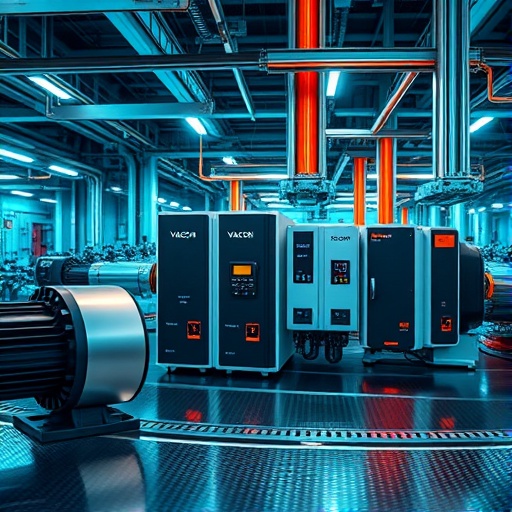
Engineers evaluate motor nameplate data first when sizing a vacon drive. Supply voltage, motor current, and duty cycle determine the correct model. Vacon ac drives offer different overload ratings for constant torque versus variable torque applications. Ambient temperature and altitude affect cooling requirements and may require derating. Users check available space for the enclosure type and cable routing. Communication needs dictate whether to add fieldbus options or rely on analog signals. Vacon variable frequency drives provide harmonic filters for sensitive electrical environments. Safety requirements may call for integrated safe torque off or encoder feedback. Budget constraints influence the choice between basic and advanced feature sets. Proper selection ensures the drive delivers expected energy savings without nuisance trips.
Comparing Vacon Drives with Other AC Drives
Vacon drives stand out for their compact size relative to power rating compared with many competitors. The user interface offers clearer parameter organization than older ac drive platforms. Vacon variable frequency drives include more built-in I/O points, reducing external relay needs. Service networks provide faster spare parts availability in many regions. Competitors may offer lower upfront prices, yet vacon ac drives often show lower total cost through higher efficiency. Firmware updates address application issues without hardware changes. Vacon maintains strong documentation and training resources for technicians. Some rival drives require additional modules for features that come standard on vacon models. Field comparisons frequently show vacon drives running motors cooler under identical loads. Buyers who test multiple brands usually select vacon for long-term reliability.
Customization Options for Specific Applications
Vacon supports custom software modules that add functions such as pump cascade control or winder tension regulation. Engineers request preloaded parameter sets for common uses like fans or conveyors. Vacon ac drives accept plug-in option cards for extra encoder channels or safety relays. Custom enclosures allow integration of disconnect switches and line reactors in one package. Vacon variable frequency drives permit macro programming that automates sequences without external controllers. Application engineers help tailor drive behavior for unique process requirements. Users can store multiple parameter sets and switch between them via digital inputs. Custom firmware versions address specific motor types or regional grid conditions. These options let facilities standardize on one drive family while meeting diverse needs. Tailored solutions maximize energy savings in every installation.
Maintaining and Troubleshooting Vacon Drives
Regular Maintenance Practices
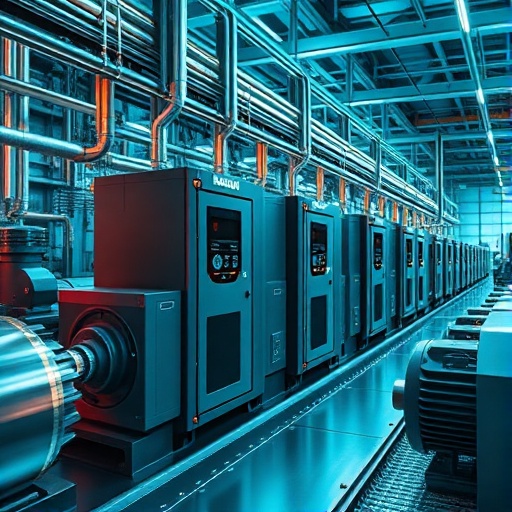
Technicians inspect cooling fans and heat sinks every six months to prevent thermal shutdowns. Vacon drives require capacitor checks after five to seven years depending on operating hours. Cleaning dust from circuit boards maintains proper insulation resistance. Parameter backups protect against accidental resets during firmware updates. Vacon ac drives display warning messages that prompt proactive component replacement. Operators verify ground connections and tighten terminals during scheduled outages. The drives store fault history that guides preventive actions before failures occur. Lubrication of external motor bearings complements drive maintenance routines. Vacon variable frequency drives benefit from ambient temperature monitoring to extend component life. Following these steps keeps systems running efficiently and avoids unexpected production stops.
Common Issues with Vacon Drives
Overcurrent faults often trace to mechanical binding or incorrect motor data entry. Vacon drives may trip on undervoltage when supply lines sag during heavy loads. Ground faults appear when moisture enters motor cables or junction boxes. Overheating occurs if airflow paths become blocked by debris. Vacon ac drives report communication errors when network cables degrade or terminators fail. Users sometimes encounter parameter lockouts after multiple failed login attempts. Bearing currents can damage motors if proper grounding kits are not installed. Vacon variable frequency drives may show dc link overvoltage during rapid deceleration without braking resistors. Most issues resolve through basic checks of wiring, parameters, and environment. Regular monitoring prevents minor problems from escalating into major repairs.
When to Seek Professional Help
Complex faults involving power electronics require certified technicians familiar with vacon drives. High-voltage installations demand specialized safety procedures beyond standard maintenance. Vacon ac drives integrated with safety systems need validation after any parameter change. Persistent communication issues may stem from network design problems best solved by automation specialists. Custom application macros that fail to operate correctly need review by application engineers. Vacon variable frequency drives under warranty should receive service through authorized channels to preserve coverage. Facilities without in-house expertise benefit from annual health checks by trained personnel. Professional support also helps optimize parameters for maximum energy savings after initial installation. Timely expert intervention prevents small issues from causing extended downtime. Partnering with qualified service providers ensures reliable long-term performance.